
Understanding Sports Broadcasting
Defining Sports Broadcasting
Sports broadcasting is a specialized sector of the media industry that focuses on delivering sports content to audiences globally. This can encompass various forms of communication, including television, radio, and digital platforms. The essence of sports broadcasting lies in its ability to connect fans to their favorite teams, events, and athletes, offering them a front-row seat to the action no matter where they are. The phenomenon of Sports Broadcasting has evolved dramatically with advancements in technology and shifts in viewer preferences.
Historical Evolution
The history of sports broadcasting dates back to the early 20th century, starting with radio broadcasts of significant sporting events, enabling fans to follow games live from their homes. As technology progressed, television emerged in the mid-20th century, revolutionizing the way audiences consumed sports. Iconic events like the Super Bowl and the World Series became household occasions, with broadcasters continuously working to enhance viewer experiences. The late 20th and early 21st centuries saw the introduction of cable sports networks and ultimately the internet, leading to the rise of streaming services which transformed the landscape of how games are accessed and consumed.
Current Trends in Sports Broadcasting
Today, sports broadcasting is characterized by several key trends. The rise of esports broadcasts has opened new avenues, capturing a demographic of gamers and tech-savvy youth. Additionally, the demand for on-demand content has forced traditional broadcasters to adopt flexible viewing opportunities through apps and websites. The integration of augmented and virtual reality is enhancing the viewing experience by providing immersive stats and insights. Furthermore, social media is becoming crucial for engagement, allowing fans to interact directly with teams and broadcasters, sharing highlights instantly.
Key Components of Sports Broadcasting
Technical Aspects of Sports Broadcasting
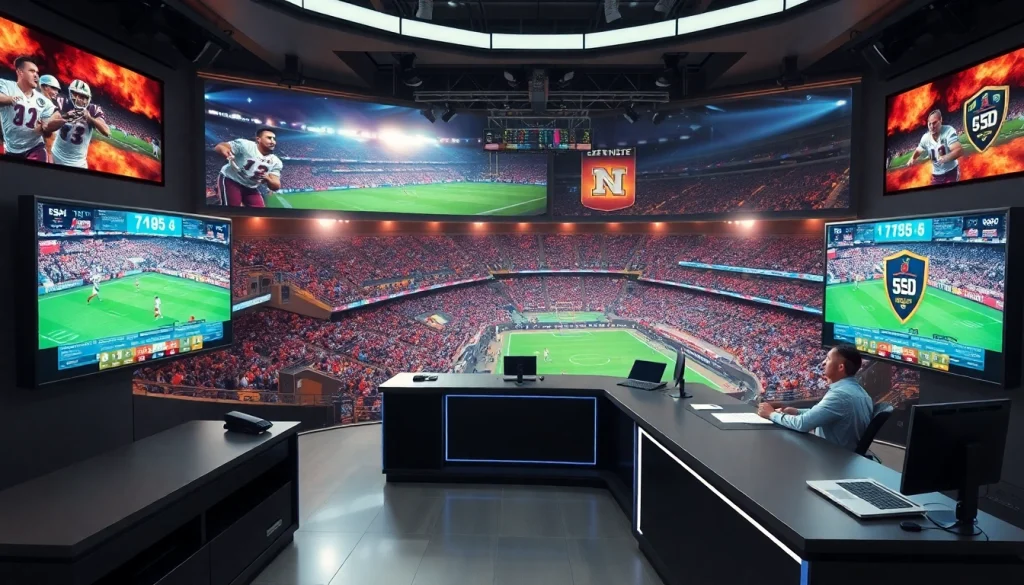
The technical framework that supports sports broadcasting includes a variety of elements from cameras and microphones to editing suites and satellite uplinks. High-definition video and surround sound technology create a more engaging viewer experience. Broadcast networks often utilize multiple camera angles, slow-motion replays, and drone footage to provide unique perspectives during games. The implementation of graphics and real-time data on-screen helps convey critical information efficiently, keeping viewers informed and entertained simultaneously.
Talent Behind the Mic
The individuals delivering the sports broadcast play a pivotal role in shaping the audience’s experience. Sports commentators, analysts, and hosts are tasked with not only presenting information but also engaging viewers with their passion and insight. The art of storytelling is paramount; successful broadcasters weave narratives that enhance the viewer’s connection to the events happening live. This blending of knowledge and charisma is critical, as audiences tune in not just for the game, but for the personality behind the mic.
Production Techniques and Best Practices
Effective sports broadcasting relies heavily on well-coordinated production teams that execute live events flawlessly. Pre-production planning involves logistics, securing rights, and organizing travel and equipment. During live broadcasts, communication among crew members is vital. Utilizing a director, producer, and various crew roles ensures smooth transitions and coverage. Post-production analysis and highlight reels are also essential, encapsulating the essence of the event for audiences who may have missed the live action.
Challenges in Sports Broadcasting
Maintaining Audience Engagement
Captivating an audience is an ongoing challenge for broadcasters today. With the multitude of entertainment options available, keeping viewers engaged through compelling content and dynamic commentary is crucial. Features such as interactive polls and viewer participation during broadcasts can enhance engagement. Moreover, presenting fresh angles or innovative storylines helps retain viewer attention throughout long events, ensuring that fans remain invested even during downtime.
Adapting to Technology Changes
The rapid evolution of technology poses both opportunities and challenges for sports broadcasters. From the shift to streaming services to the advent of artificial intelligence in analytics, broadcasters must stay current with technological advancements to enhance their offerings. Training staff on new technologies, such as immersive graphics or augmented reality applications, is critical to remain competitive and provide a cutting-edge viewing experience.
Dealing with Regulatory Issues
Sports broadcasters must navigate a complex legal landscape that varies significantly by region. This includes intellectual property rights, broadcasting rights negotiations, and compliance with advertising regulations. Ensuring adherence to these guidelines is essential, as breaches can result in costly penalties or loss of broadcasting privileges. Collaborating with legal teams proactively can help broadcasters avoid pitfalls and protect their interests.
Future of Sports Broadcasting
Innovations on the Horizon
The future of sports broadcasting is marked by innovation that aims to enhance viewer experiences further. Innovations such as virtual reality viewing, which allows fans to immerse themselves in the action, are on the rise. AI-driven analytics offer predictive insights during broadcasts, enhancing engagement. The integration of personalized content that tailors broadcasts to individual fan preferences represents a significant shift towards a more customized viewing experience.
Impact of Streaming Services
Streaming services have reshaped the sports broadcasting landscape. With platforms offering exclusive rights to specific leagues and events, traditional broadcasters face stiff competition. This shift necessitates a reevaluation of broadcasting strategies, including partnerships and content distribution. Furthermore, consumer preference for flexibility and accessibility means that broadcasters must explore innovative offerings to cater to an audience that demands choice.
Potential Market Changes
As sports viewing habits evolve, potential market shifts are likely on the horizon. The increase in global sports events and the expansion of viewership into different demographics mean that sports broadcasting must diversify content offerings. This can include multilingual broadcasts or focusing on niche sports that appeal to specific audiences. Adapting to these trends will be essential for broadcasters who aim to grow their reach and influence in an ever-changing environment.
FAQs About Sports Broadcasting
What is the role of technology in sports broadcasting?
Technology in sports broadcasting enhances viewer experiences through high-definition visuals, advanced sound systems, and augmented reality graphics, providing real-time data and extraordinary perspectives of live events.
How do broadcasters choose which games to air?
Broadcast decisions are based on factors like audience demand, sponsorship agreements, and exclusive broadcasting rights. Priority is given to popular events that attract significant viewership.
What challenges do sports broadcasters face today?
Sports broadcasters face challenges including maintaining audience engagement, adapting to technological advancements, and navigating complex regulatory landscapes that govern their operations.
How has social media changed sports broadcasting?
Social media has transformed sports broadcasting by enabling real-time interaction, user-generated content sharing, and immediate audience feedback, enhancing fan engagement and expanding reach.
What skills are essential for a successful sports broadcaster?
Key skills include effective communication, storytelling ability, deep sports knowledge, charisma, and technical proficiency with broadcasting technologies, all of which contribute to engaging audiences.