
Introduction to Sports Broadcasting
Definition and Importance
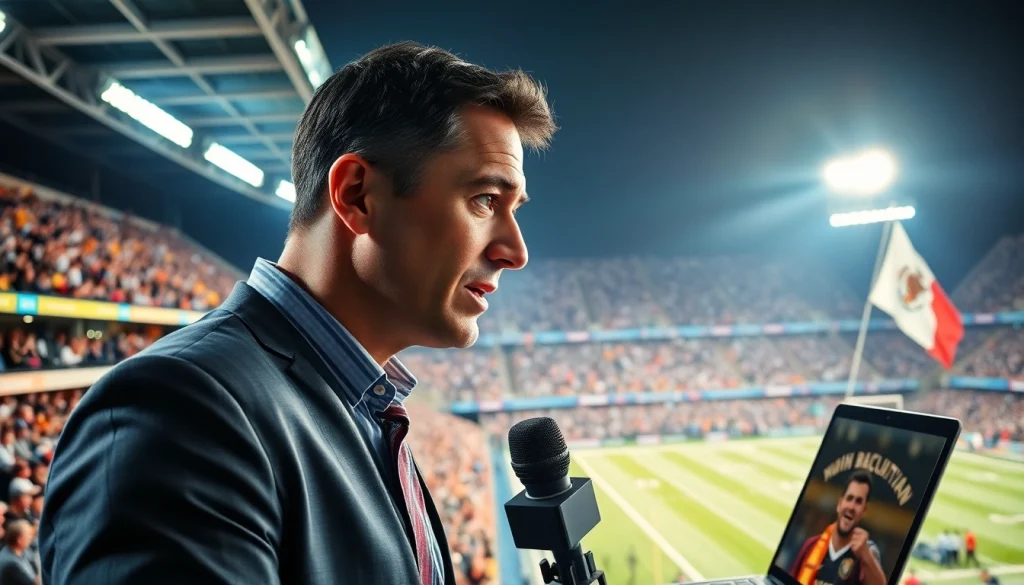
Sports broadcasting encompasses the coverage of sports events via radio, television, and digital platforms. The importance of sports broadcasting lies not only in the entertainment it provides but also in its role in bringing communities together, boosting local economies, and generating significant advertising revenue. As audiences become increasingly diverse, the nuances of Sports Broadcasting are evolving, embracing technology, storytelling, and viewer engagement strategies.
Overview of the Industry Landscape
The landscape of sports broadcasting has transformed dramatically over the past few decades. The rise of technology has shifted how viewers consume sports, moving from traditional cable television to streaming platforms, social media, and mobile apps. Major sporting events, such as the Olympics or the Super Bowl, remain highlights for broadcasters, continually drawing in millions of viewers worldwide.
Recent trends show an increasing demand for personalized viewing experiences and interactive content. This is leading to a more competitive environment where broadcasters strive to offer unique angles, behind-the-scenes access, and real-time statistics to keep viewers captivated throughout the season.
Key Players in Sports Broadcasting
In the ecosystem of sports broadcasting, several key players drive the industry forward. Traditional networks, such as ESPN and NBC Sports, have significant rights to premium sports programming, while newer entrants like Amazon Prime Video and DAZN are carving out their niche in the marketplace.
Additionally, social media platforms like YouTube and Twitter are gaining traction as essential players, providing bite-sized content and highlights that engage younger audiences. This evolution has also led to partnerships and collaborations, reshaping content distribution and audience engagement strategies.
The Role of Technology in Sports Broadcasting
Innovations Shaping the Future
Technology drives almost every facet of sports broadcasting today. Artificial Intelligence (AI) is facilitating enhancements in viewer experiences, from generating player stats to creating more dynamic commentary. Virtual and augmented reality are also evolving the way fans interact with sports, offering immersive experiences that were previously unimaginable.
Moreover, advancements like 5G networks allow for high-speed streaming, enabling broadcasters to deliver high-resolution content with minimal latency. Drones and robotic cameras provide unique perspectives, offering expansive coverage of large events and enhancing viewer engagement.
Live Streaming vs. Traditional Broadcasting
Live streaming has emerged as a formidable competitor to traditional broadcasting. The convenience of watching on mobile devices and the allure of on-demand content have shifted viewership patterns significantly. Audiences now prefer the freedom to choose when and how to watch live events.
This shift challenges traditional broadcasters to adapt by integrating digital strategies and enhancing their online presence. While many have embraced live streaming themselves, the frenetic pace of technology requires them to innovate constantly to meet viewer expectations.
The Impact of Social Media on Coverage
Social media has revolutionized sports broadcasting by providing platforms for instant feedback and interaction. Fans engage with broadcasts through tweets, comments, and shares, leading to a more participatory culture. Broadcasters then utilize this information, adjusting their approaches to meet audience desires better.
Furthermore, social media allows for real-time updates and highlights, ensuring that fans who may miss a live broadcast can still engage with the content. This creates a continuous dialogue between broadcasters, athletes, and fans, enhancing the overall experience.
Best Practices for Effective Sports Broadcasting
Understanding Your Audience
To maximize relevance and impact, sports broadcasters must invest time in understanding their audience demographics and preferences. Features such as live polls and surveys can provide insights into viewer interests, which can then inform content creation and presentation styles. The key is to create tailored experiences that resonate with fans, encompassing a variety of platforms and formats.
Creating Engaging Content
Engaging content is central to effective sports broadcasting. Storytelling, in particular, allows broadcasters to connect with viewers emotionally. This can involve sharing player stories, team histories, and spectacular moments that capture the essence of sports. Use of highlight reels, player interviews, and commentary enhances the narrative and keeps viewers invested in the game.
Additionally, interactive elements such as behind-the-scenes access and player interactions through social media further deepen audience engagement and loyalty.
Leveraging Graphics and Data
Utilizing graphics and data enhances viewer comprehension and enjoyment. Infographics can illustrate key statistics in a visually appealing manner, making complex information more digestible. Data-driven analysis during broadcasts can offer deeper insights into gameplay, while live stats can enrich the viewing experience and provide real-time information.
Investing in high-quality production values plays a critical role, as superior graphics and animations contribute to professional presentation and viewer retention.
Challenges in Sports Broadcasting
Legal and Ethical Considerations
Sports broadcasters must navigate a complex landscape of legal and ethical challenges. Rights to broadcast events are subject to strict regulations and negotiations, often leading to high costs for networks. Moreover, ethical considerations surround issues such as fair coverage, commentary bias, and the portrayal of athletes. It is crucial to maintain journalistic integrity and transparency to build trust with audiences.
Adapting to Real-Time Changes
Sports can be unpredictable, requiring broadcasters to be agile in their response to real-time developments. Weather conditions, player injuries, and game decisions can all impact coverage. Broadcasters must train their teams to adapt quickly, reconfiguring segments and updates accordingly while ensuring continuity and quality in their broadcasts.
Competition in the Industry
The competition in sports broadcasting is fierce. With a plethora of platforms vying for viewer attention, broadcasters must offer unique, compelling content to differentiate themselves. This can include specialized coverage, exclusive interviews, and enhanced viewer engagement through innovative technology. The focus should be on not only retaining existing viewers but also attracting new demographic segments.
Measuring Success in Sports Broadcasting
Key Performance Indicators (KPIs)
Measuring success in sports broadcasting relies on key performance indicators (KPIs). Common KPIs include viewership ratings, audience retention rates, and engagement metrics such as social media interactions and website traffic. Understanding these metrics allows broadcasters to evaluate the effectiveness of their strategies and make data-informed decisions.
Analyzing Audience Engagement
Regular analysis of audience engagement provides insights into viewer behavior and preferences. Tools that monitor social media mentions, comments, and user-generated content can inform broadcasters of how their audience interacts with coverage. By utilizing this information, broadcasters can tailor future content to meet audience demands more effectively.
Feedback and Continuous Improvement
Gathering feedback from viewers is vital to improving sports broadcasting. This can include direct surveys, focus groups, and analyzing social media sentiment. Establishing a mechanism for collecting and implementing feedback allows broadcasters to adapt and innovate their strategies continuously, leading to greater audience satisfaction and loyalty.
FAQs About Sports Broadcasting
What is sports broadcasting?
Sports broadcasting is the coverage of sports events through television, radio, or digital platforms, delivering real-time commentary and analysis for viewers.
How has technology changed sports broadcasting?
Technology has introduced innovations like live streaming, AI analytics, and augmented reality, enhancing viewer experiences and engagement with content.
Why is audience understanding important in sports broadcasting?
Understanding the audience helps broadcasters tailor content and strategies effectively, ensuring high engagement and satisfaction levels among viewers.
What are some challenges faced by sports broadcasters?
Sports broadcasters encounter challenges like legal regulations, competition, and the necessity to adapt to unpredictable game situations in real time.
How can success be measured in sports broadcasting?
Success can be measured through key performance indicators such as viewership ratings, audience engagement metrics, and feedback, informing strategic improvements.