
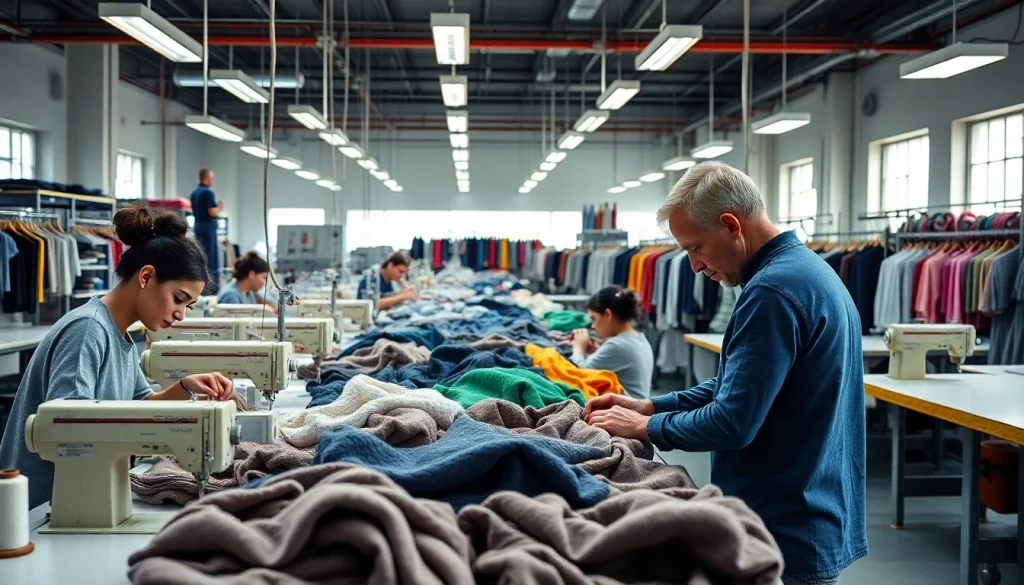
Understanding the Role of Custom Apparel Manufacturer
What is a Custom Apparel Manufacturer?
A Custom Apparel Manufacturer specializes in creating tailored clothing and apparel for brands or individuals. Unlike traditional manufacturers who produce pre-designed clothing lines, custom apparel manufacturers work closely with clients to create unique garments that reflect the client’s brand identity, target audience, and specific design requirements. The process encompasses everything from initial design concepts to the final production of garments, ensuring that every piece aligns with the client’s vision.
Benefits of Working with a Custom Apparel Manufacturer
Choosing to work with a custom apparel manufacturer can yield numerous benefits for businesses and individuals looking to make a statement through fashion. Firstly, it allows for a high degree of personalization, enabling brands to differentiate themselves in a saturated market. Customizations can range from fabric selections to unique cuts and colors, ensuring that the final product is truly one-of-a-kind.
Secondly, engaging with a custom manufacturer often leads to higher quality products. With a focus on craftsmanship and attention to detail, clients can expect garments that not only look good but also stand the test of time. Additionally, many custom manufacturers use better-quality materials compared to mass-produced options.
Furthermore, working closely with a manufacturer opens up opportunities for collaboration and creativity. This relationship fosters innovation, allowing brands to experiment with new concepts and respond quickly to trends. Lastly, custom apparel manufacturing often leads to better scalability options, as manufacturers can adjust production runs based on demand, thus minimizing waste and optimizing resources.
Key Services Offered by Custom Apparel Manufacturers
Custom apparel manufacturers provide a wide array of services tailored to meet the diverse needs of their clients. Some of the essential services include:
- Design Consultation: Collaborating with clients to understand their vision and create a design that reflects their brand.
- Material Sourcing: Assisting clients in selecting the right fabrics and materials suitable for their garments.
- Sample Development: Creating prototypes to give clients a tangible sense of their designs before full-scale production.
- Production Services: Overseeing the entire manufacturing process to ensure high-quality outcomes.
- Logistics and Distribution: Managing the storage and delivery of finished garments to ensure timely access to products.
Choosing the Right Custom Apparel Manufacturer
Factors to Consider When Selecting a Manufacturer
Choosing the right custom apparel manufacturer is a critical step that can impact the success of your apparel project. Several factors come into play during this selection process:
- Experience and Expertise: Look for a manufacturer with a proven track record in the industry. Their experience often translates into a better understanding of design, production challenges, and trends.
- Quality Standards: Evaluate the manufacturer’s commitment to quality. They should use high-grade materials and maintain strict quality control processes throughout production.
- Affordability: While it’s crucial not to cut costs at the expense of quality, ensure that the pricing structure aligns with your budget and offers good value for the services rendered.
- Communication: A manufacturer who emphasizes clear and open communication can significantly reduce misunderstanding and streamline the production process.
- Fulfillment Capabilities: Confirm that the manufacturer can scale production volumes up or down based on your needs without compromising quality.
How to Assess Quality and Reliability
Assessing the quality and reliability of a potential custom apparel manufacturer requires thorough research and sometimes hands-on evaluation:
- Client Testimonials: Seek out reviews and testimonials from previous clients. A manufacturer with positive feedback about their quality and service is a promising choice.
- Portfolio Review: Examine their previous work by reviewing a portfolio of completed projects to gauge their craftsmanship and style.
- Sample Orders: Before committing to large orders, consider placing a sample order to evaluate the quality of materials and construction firsthand.
- Factory Visits: If possible, visiting the manufacturer’s facility can provide insight into their operations, quality control measures, and overall working conditions.
Questions to Ask Your Custom Apparel Manufacturer
Engaging in a dialogue with your custom apparel manufacturer can clarify expectations and foster a productive relationship. Here are some essential questions to consider:
- What is your minimum order quantity?
- What materials do you offer for my designs?
- Can you provide references from previous clients?
- What is your turnaround time for production?
- How do you handle quality control throughout the manufacturing process?
Designing Your Custom Apparel
Collaborating on Design Concepts
The design phase is where your ideas come to life and requires close collaboration with your custom apparel manufacturer. This partnership often includes:
- Brainstorming Sessions: Engaging in creative discussions to flesh out ideas and define the aesthetic direction of your apparel.
- Creating Mood Boards: Visual aids that collate inspirations, color palettes, and styles to help align the design vision.
- Drafting Technical Specifications: Providing detailed sketches and specifications to communicate your design more effectively.
Understanding Fabrics and Materials
A key consideration in apparel design is fabric selection. Different fabrics offer unique properties, aesthetics, and functionalities, which can impact the garment’s final look and feel. Important fabric categories to consider include:
- Cotton: Known for its softness and breathability, cotton is a staple fabric used in many apparel lines.
- Polyester: Durable and color-fast, polyester is popular for activewear and garments requiring moisture-wicking properties.
- Wool: Ideal for knitwear, wool provides warmth, making it perfect for colder climates.
- Blends: Many manufacturers offer fabric blends to leverage the advantageous properties of multiple materials.
Prototyping and Sample Development Process
The prototyping stage is crucial, allowing clients to visualize their designs before committing to large production runs. This stage involves:
- Sourcing Materials: Selecting the appropriate fabrics and trims as per the finalized design.
- Creating Samples: Manufacturing a prototype or sample of the garment to evaluate design, fit, and finish.
- Feedback Loop: Engaging in a review process with stakeholders to incorporate any necessary adjustments before moving to full production.
Production and Quality Control
Managing the Production Timeline
Like any manufacturing process, effective management of the production timeline is vital. Key strategies include:
- Realistic Scheduling: Work closely with your manufacturer to set achievable production timelines that consider fabric sourcing and stitching lead times.
- Regular Updates: Establish a communication routine for progress updates to stay informed and adjust plans if necessary.
- Buffer Time: Account for unforeseen delays by incorporating buffer periods in the production schedule.
Ensuring Quality Standards Are Met
Quality control is a non-negotiable aspect of custom apparel manufacturing. Best practices include:
- Defining Quality Benchmarks: Clearly outline what standards are expected for materials and finished products.
- Regular Inspections: Frequent quality checks at different production stages to catch potential defects early.
- Working with Quality Assurance Teams: Employ specialized teams to conduct comprehensive final inspections prior to shipping.
Common Challenges in Apparel Manufacturing
The path from design to finished product isn’t without its challenges. Common manufacturing challenges include:
- Supply Chain Disruptions: External factors can lead to delays in material availability; having alternative suppliers can mitigate this risk.
- Miscommunication: Protect against misunderstandings by regularly reviewing project requirements and expectations with your manufacturer.
- Overproduction: Balancing supply with demand is crucial; employ data analytics to predict order volumes accurately.
Maximizing Your Investment in Custom Apparel Manufacturing
Strategies for Cost Management
Maximizing your investment in custom apparel manufacturing involves implementing strategies to manage costs effectively. Consider the following approaches:
- Bulk Ordering: Place larger orders to reduce costs per unit, but ensure accurate demand forecasting to avoid surplus.
- Material Choices: Explore alternative materials that balance quality and cost without sacrificing the intended look and feel.
- Supplier Negotiations: Build strong relationships with suppliers to negotiate better rates on fabric or outsourced services.
Leveraging Manufacturer Partnerships for Growth
Strong manufacturer relationships can transcend single projects and pave the way for long-term business growth:
- Collaborative Innovations: Work together on new products or collections that tap into emerging trends and opportunities.
- Market Feedback: Leverage the manufacturer’s experience and insights for feedback on market performance and directions.
- Scalability: Discuss long-term goals and scalability options with your manufacturer to plan for growth without disruptions.
Measuring Success Through Performance Metrics
Establish benchmarks and metrics to measure the success of your custom apparel projects effectively:
- Sales Volumes: Analyze sales data before and after launching a new apparel line to gauge market response.
- Return Rates: Monitor return rates as a key indicator of customer satisfaction and product quality.
- Customer Feedback: Regularly solicit feedback from customers to assess their experience and gather insights for improvement.
FAQs
1. What is the minimum order quantity for custom apparel?
The minimum order quantity depends on the manufacturer’s policies and the specific design, usually ranging from 50 to hundreds of units.
2. How long does the custom apparel production process take?
The timeline can vary significantly based on design complexity, material availability, and order size, typically ranging from weeks to several months.
3. Can I see samples of fabrics before placing an order?
Yes, most manufacturers provide fabric swatches or samples to help you select the materials that best fit your vision and needs.
4. Do custom apparel manufacturers offer eco-friendly options?
Many custom manufacturers are incorporating sustainable practices, offering organic materials and environmentally friendly production methods.
5. What should I prepare for my first meeting with a manufacturer?
Prepare design sketches, inspiration images, budget estimates, and outline your brand’s vision to facilitate informed discussions with the manufacturer.


