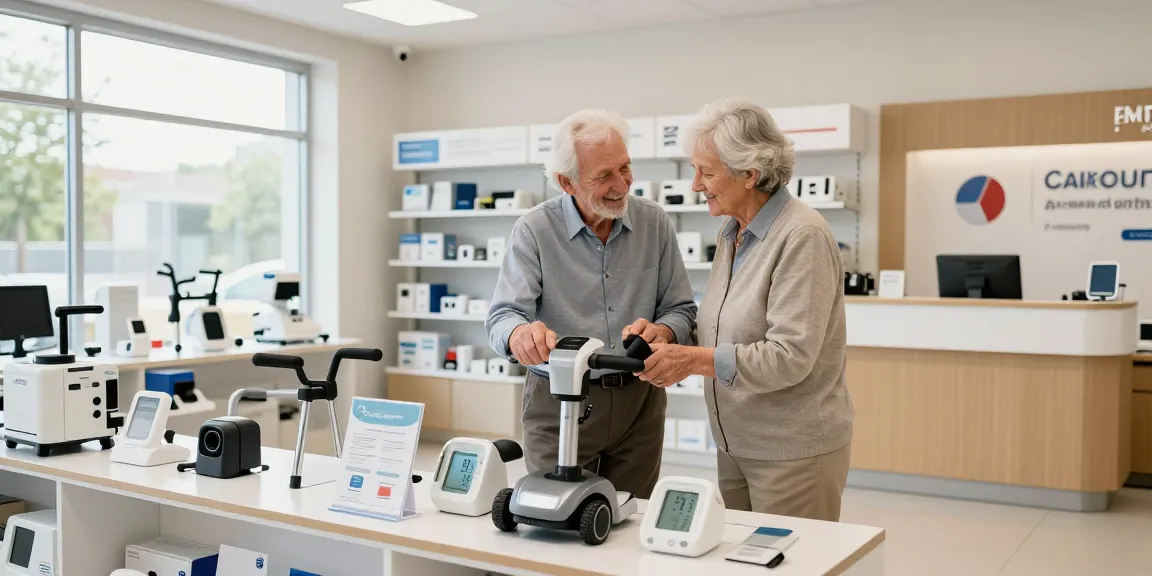
Understanding Online Doctor Consultation
What is an Online Doctor Consultation?
Online doctor consultations are virtual healthcare services that allow patients to connect with medical professionals via digital platforms. This innovative approach enables patients to receive medical advice, diagnosis, and treatment recommendations without the need to visit a traditional healthcare facility. Patients can effectively address their health concerns from the comfort of their own homes. With the increasing prevalence of telehealth, many people are now leveraging the convenience of healthcare services available at their fingertips. Through these platforms, individuals can message a doctor online 24/7 for a prompt and professional response to their medical queries.
Benefits of Messaging a Doctor Online 24/7
The advantages of messaging a doctor online 24/7 are manifold. Firstly, it provides unparalleled accessibility, allowing patients to connect with healthcare providers at any time, thereby reducing wait times associated with traditional office visits. Patients can receive timely medical advice, which is crucial for managing acute issues. Additionally, online consultations often incur lower costs than in-person visits, offering a budget-friendly alternative for many.
Moreover, this format enhances patient comfort. The virtual setting can reduce anxiety, particularly for those who may feel intimidated in clinical environments. Privacy is another significant benefit; many individuals find it easier to discuss sensitive health issues through digital communication, contributing to more honest and open dialogue with their healthcare providers.
How Online Consultations Work
Online consultations typically follow a structured process. Initially, patients sign up for a telehealth platform and create an account, providing necessary information such as medical history and current health concerns. After registration, patients have the option to choose a healthcare provider based on their expertise and availability.
After selecting a provider, patients can schedule an appointment or message the doctor directly. The consultation may occur via video call, audio call, or chat messaging, depending on the platform’s features and the patient’s preference. Following the consultation, doctors may issue prescriptions electronically or provide follow-up care instructions based on the patient’s needs.
Choosing the Right Platform
Evaluating Telehealth Services
When selecting a telehealth service, certain criteria should guide your decision. Firstly, assess the range of services offered. Some platforms may specialize in specific areas of medicine, while others provide comprehensive care across multiple specialties. Look for platforms that include board-certified physicians, as their qualifications are essential for appropriate diagnosis and treatment.
Additionally, consider user reviews and testimonials, as these can provide insights into the quality of care and customer service. Transparency regarding costs and insurance acceptance is crucial to avoid unexpected expenses. A good telehealth service will clearly outline their pricing structure and whether they accept various health insurance plans.
User-Friendly Features in Messaging Platforms
User experience is paramount in the effectiveness of online consultations. Look for platforms with intuitive interfaces, making navigation easy even for less tech-savvy individuals. Essential features may include real-time messaging, integrated video conferencing, reminders for appointments, and secure access to personal health records. The ability to communicate using different formats (text, audio, video) can also enhance the overall experience.
Ensuring Security and Privacy
Given the sensitivity of healthcare information, security and privacy must be prioritized when selecting a telehealth service. Reputable platforms implement stringent security measures, such as encrypted communication and secure data storage, to protect confidential patient information. Always verify that the telehealth service complies with laws and regulations concerning patient privacy, such as HIPAA in the United States.
Best Practices for Effective Communication
Preparing for Your Online Appointment
Preparation is key to optimizing your online consultation experience. Before your appointment, take time to document your symptoms, including their duration and frequency, as well as any pertinent medical history. This information will assist the doctor in making an accurate assessment. Additionally, prepare a list of questions and concerns that you would like to address during the consultation to ensure thorough communication.
Asking the Right Questions
Effective communication during an online consultation requires clear and concise questioning. When discussing health concerns, ask specific questions that target your symptoms and the potential implications for your health. For instance, inquire about treatment options, side effects, or lifestyle adjustments you can implement to enhance your wellbeing. Don’t hesitate to ask for clarification if any information is unclear.
Follow-Up Strategies
After your online appointment, it is essential to follow up as needed. This may involve scheduling additional consultations, adhering to prescribed treatment regimens, or obtaining further tests. Keeping a record of your symptoms and any changes in your health status will be beneficial for future consultations and ensure continuity of care.
Common Challenges in Online Consultations
Technical Issues and Solutions
While telehealth is becoming increasingly reliable, technical issues can still arise. Connection problems, software malfunctions, or unfamiliarity with the technology can disrupt consultations. To mitigate these issues, it is advisable to test your equipment beforehand and ensure a stable internet connection. Familiarizing yourself with the platform’s features and functionality before the consultation can also help facilitate a smoother experience.
Understanding Limitations of Online Care
Despite its numerous advantages, online consultations do have limitations. Certain conditions may require in-person examinations or tests that cannot be performed virtually. Understanding these limitations is crucial, as patients should not rely solely on online consultations for comprehensive care. Knowing when a physical examination is necessary can enhance overall healthcare outcomes.
Overcoming Communication Barriers
Communication barriers may arise due to varying levels of health literacy, language differences, or even anxiety about discussing health issues. To overcome these barriers, consider using visual aids or written communication for clarification. Additionally, many telehealth platforms offer multilingual support or translator services that can assist non-native speakers in navigating healthcare discussions effectively.
Future Trends in Telemedicine
Innovations in Online Healthcare Access
The telemedicine landscape is rapidly evolving with continuous innovations aimed at improving access to healthcare. Emerging technologies, such as artificial intelligence and machine learning, are being integrated into telehealth platforms to enhance patient diagnostics and personalize treatment plans. These advancements are expected to further streamline online consultations, making them even more efficient and effective for patients worldwide.
The Growing Demand for 24/7 Availability
As patients increasingly seek immediate access to healthcare, the demand for platforms that offer 24/7 consultation services is surging. This adaptability is particularly vital for managing chronic conditions or urgent situations outside regular business hours. Providers are recognizing the necessity of maintaining round-the-clock availability to meet patient needs and expectations.
Expectations for the Future of Virtual Care
Looking ahead, virtual care is likely to become an integral part of the healthcare landscape. Patients may expect seamless integration between in-person and online services, allowing for a hybrid approach to health management. Innovations in wearable technology will also complement telemedicine, providing real-time data to healthcare providers to enhance monitoring and treatment accuracy.
Frequently Asked Questions
What types of issues can be addressed online?
Many non-emergency health concerns can be discussed online, including minor illnesses, follow-ups, and behavioral health.
How can I prepare for my online consultation?
Make a list of symptoms, previous treatments, and any queries to ensure a productive discussion with your doctor.
Is my personal information safe during online consultations?
Yes, reputable telehealth platforms use encryption and secure methods to protect your confidentiality.
How quickly can I expect a response?
Response times can vary, but most services offer rapid replies, usually within a few hours.
Are online consultations covered by insurance?
Many insurance plans now cover telehealth visits, but it’s best to check your specific policy for details.